
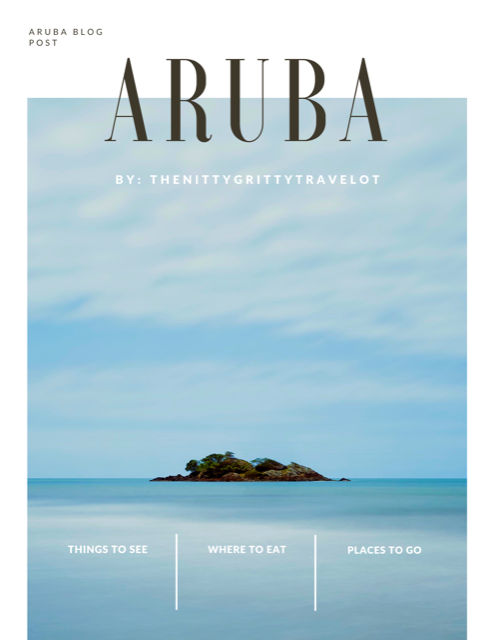
Dreaming of crystal-clear water, golden sand, and nonstop sunshine?
Aruba might already be on your radar, with its breezy beaches, vibrant culture, and ideal year-round weather.
It’s a favorite for everyone from honeymooners to solo adventurers and family travelers.
But even though I felt I had planned for everything, there was still quite a bit that came as a surprise once I arrived.
These are the most crucial things to know before traveling to Aruba, including everything I wish I’d known before I traveled (including some things I hadn’t seen anywhere else).
Whether you’re wondering if you can drink the water in Aruba, how much to budget, or what to pack, these are the tips that will actually make a difference.
Disclosure: This blog post has affiliate links which means if you click and make a purchase I may earn a small commission at NO additional cost to you. These are my own personal suggestions based on products I love and use. The full disclosure can be found here.
Things to Know Before Going to Aruba
Before moving on to one of the most extensive Aruba travel tips, here are a few quick things to know about Aruba
Aruba’s Nickname: “One Happy Island”
Location: One of the ABC islands (Aruba, Bonaire, and Curaçao) in the South Caribbean. It’s an official territory of the Netherlands
Official Language: Dutch & Papiamento (also English & Spanish)
International Airport: Queen Beatrix International Airport
1. Know the Best Time to Visit Aruba
Aruba’s biggest draw is its weather. Unlike many other Caribbean destinations, Aruba is situated outside the hurricane belt, which means it experiences year-round sunshine and minimal rainfall.
That makes it one of the safest bets for a tropical vacation, setting it apart from other islands in the Caribbean. No weather roulette here.
But I took that to mean that there was no ideal time to visit Aruba.
There definitely is.
If you’re looking to avoid crowds and save on hotels, consider the shoulder seasons, specifically May, September, or October. I just happened to visit in September and loved how peaceful the island felt.
Fewer tourists meant better prices, shorter lines, and prime sunset-watching spots all to myself.
Of all the things to know before traveling to Aruba, this is probably the most impactful, which is why it’s #1 on the list.
2. Understand Aruba’s Currency & Costs
Aruba might be “One Happy Island,” but your wallet might feel differently if you’re not prepared.
The official currency in Aruba is the Aruban Florin (AWG). But the good news is that U.S. dollars are widely accepted everywhere.
So if you’re coming from the U.S., there’s no need to exchange money.
I used my debit card at local ATMs when I needed cash, but credit cards were accepted almost everywhere. Just let your bank know you’ll be traveling (so they don’t put a hold on your card), and you’re good to go.
The other thing that shocked me was the price of food in Aruba.
The food is quite expensive, especially in the hotel zones, where you can expect to pay around $20–$40 per entrée at sit-down restaurants, and drinks are an additional $10-$20.
This surprised me because I didn’t find things nearly as expensive in Amsterdam (also part of the Netherlands).
To save money, I packed some snacks from home, grabbed groceries from a nearby supermarket, and chose a hotel with a kitchen so I could cook a few meals.
Pro tip: Bring snacks that are easy to take to the beach. Energy bars, nuts, and trail mix came in handy when I didn’t want to stop for fuel (or pay $10 for a muffin).
Understanding the cost of food ahead of time can save you from sticker shock and help you make the most of your budget.
3. Pack For The Aruba Sun
Aruba’s weather is its superpower. It’s sunny, breezy, and dry almost every day of the year.
But with how close Aruba is to the equator, the sun is no joke, and it’s easy to burn even on overcast days.
High SPF sunscreen is non-negotiable. I use this brand.
I also packed a wide-brim hat, lightweight clothing, swimwear, and a cover-up for the beach.
Reusable water bottles were a lifesaver.
Aruba’s tap water is safe to drink (it’s actually some of the cleanest in the world), so skip the plastic and refill as you go. It’ll save you money and keep you hydrated in the heat.
4. The Area You Stay Matters
Where you stay in Aruba can significantly shape your experience, from the proximity to the beach to the cost of food and transportation throughout the trip.
There are a few main areas that most people stay in:
- Palm Beach is the livelier, more touristy option, featuring high-rise resorts, vibrant nightlife, and beach bars.
- Eagle Beach is quieter, with more low-rise hotels and a laid-back vibe — perfect if you want more relaxation and fewer crowds.
- Oranjestad is great for more budget-conscious travelers. There are numerous Airbnbs and low-key villas available here.
I stayed at the Eagle Aruba Resort & Casino, just a short walk from Eagle Beach. You can book this exact hotel here.
The room I stayed in had spacious accommodations, a kitchen equipped with a fridge, microwave, and stove for those who would like to prepare their own meals and save money, a private balcony, pools, a swim-up pool bar, and live entertainment.
I also thought that the location was ideal. In addition to being close to the beach, it was also conveniently located near supermarkets, restaurants, and bus stops.
You can see some visuals in my Pinterest story from the resort.
5. Public Transportation is Accessible.
Aruba may be small, but getting around still requires some planning, especially if you want to explore beyond your resort and the busier beaches across the island.
Public Buses in Aruba
The public Arubus system is clean, affordable, and easy to use.
A one-way fare is approximately $2.60, and you can purchase a reloadable card for added convenience. Bus stops are clearly marked, and most routes run on time.

I used the bus for a few days and found it reliable, especially for getting to places like Oranjestad or Palm Beach.
The bus stop to get into town was also conveniently located, making public transportation fairly accessible.
The island has bus maps with schedules to follow, which makes it easy and convenient. In my opinion, it makes for a more authentic experience and is the easiest way to truly take in the island.
Please note that this option may be slower than others.
Taxis in Aruba
On some days, I took the bus, but most days, I took a taxi out of convenience, especially when time was tight.
They’re not metered, so fares are set by zone, meaning short trips can become expensive quickly.
I even made friends with one of my drivers, and he became my go-to for the rest of the trip. It saved time because I could call him and schedule pickups on demand, and he even provided us with some local insights along the way. I would recommend renting a car which I plan on doing next time I visit to make traveling easier.
6. Ways to Eat Like a Local
Is the food in Aruba expensive? I get that question all the time, and the answer is always yes.
Food in Aruba can be very expensive.
But I should mention that there are plenty of local gems that offer excellent meals without breaking your budget.
Here are just a few of my favorites:
- The West Deck: A relaxed, seaside spot with Caribbean dishes. Their grilled fish and plantains are so good!
- Driftwood: A cozy, local spot for fresh seafood.
- Zeerovers: I didn’t get a chance to go, but locals kept recommending it to me. It’s casual, authentic, and serves fish caught that day.
- Uncle Tony’s Pizza
- Arashi Beach Shack
- Pelican Nest Seafood Grill
- The Old Fisherman
- Moomba Beach
- Big Mama’s Grill (San Nicolas).
- Double Down Sports Bar & Grill: Daily buffet breakfast for $12.50.
- Diana’s Pancake Place / Dutch Pancake House: Specializes in Dutch-style pancakes and Poffertjes (silver dollar pancakes)
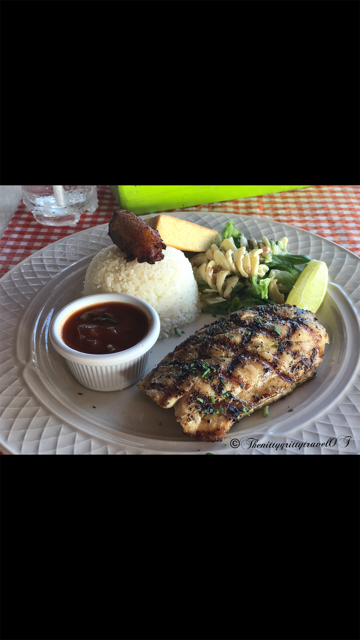

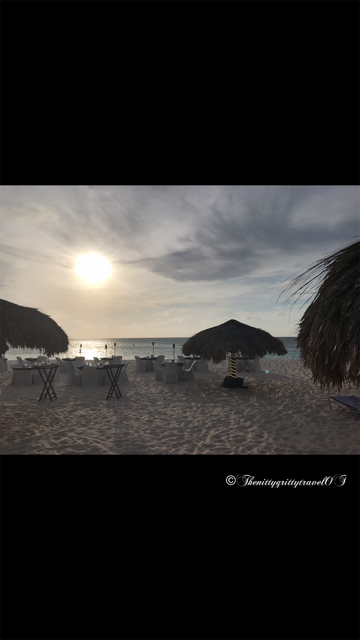
I can say with all honesty that I really enjoyed pretty much every restaurant on the island; a salute to the chefs!
Additionally, I visited during Aruba Restaurant Week, which takes place in late summer each year in downtown Oranjestad. If you’re staying around that time, it’s absolutely worth checking out.
And if you’re looking for a special night out, Passions on the Beach offers a 3-course prix fixe meal for 2 — right on the sand — that includes wine, live entertainment, and unbeatable sunset views for $130
**This deal isn’t a continuous offer, so call ahead to verify.
7. Aruba Has Stunning Natural Beauty
Okay, I realize this isn’t the most ‘surprising’ thing to know about Aruba.
However, it’s essential to recognize that the island is more than just its beaches (this was also my experience in Jamaica!)
Aruba is packed with natural wonders, and many of them are surprisingly easy to access.
Natural Bridge at Arikok National Park: Even after the original collapsed, the remaining rock formations remain impressive and are worth a stop on a day tour.
California Lighthouse: Panoramic views of the island at sunset.
Casibari Rock Formation: A quick climb rewards you with sweeping island views.
Half-Day Animal Sanctuary Tour: This tour takes you to the Aruba Ostrich Farm, Donkey Sanctuary, and Philips Animal Garden, where you’ll have the opportunity to support the sanctuaries, feed the animals, and learn about the wildlife.
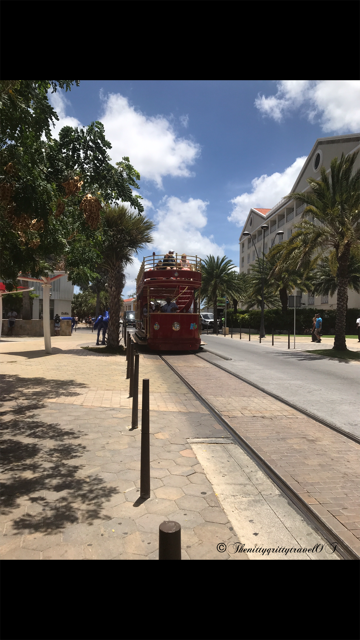
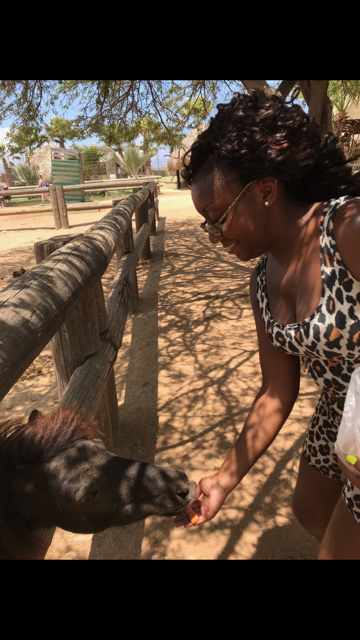

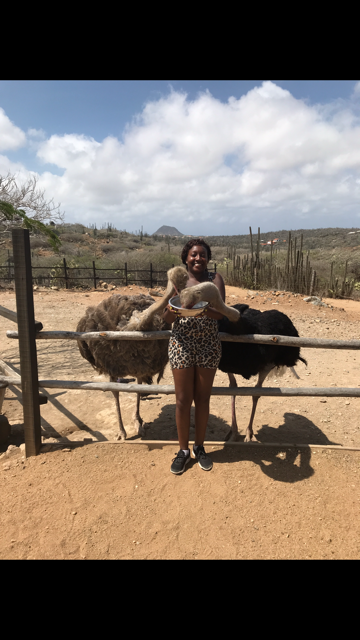

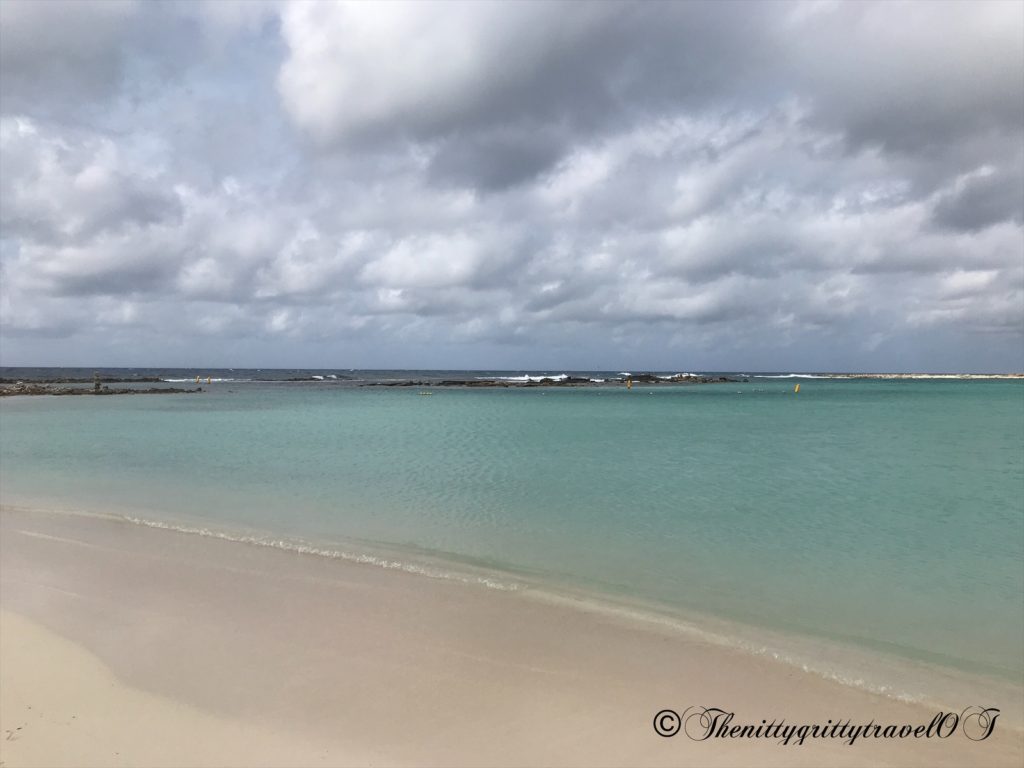
San Nicolas Village: If you’re looking for an offbeat place to hang out, I’d visit Aruba’s southernmost town for the culture and history alone. It’s about a 45-minute drive from the central hotel zone and is filled with stunning street art, friendly locals, and a slower pace. You’ll also find Big Mama’s Grill.
Baby Beach: Right next to San Nicolas is Baby Beach. The reason Baby Beach is so special is that the water is so shallow that you can venture far into the water and still touch the bottom right nearby. Here’s a great day trip there with transportation included along with other popular tourist stops.

Want to see a few different places in a single day?
Take a Full-Day Aruba Island Tour: This was one of my favorite days in Aruba.
The tour picks you up directly from the hotel, as long as it’s centrally located, and makes stops at the Aloe Vera Factory (where you can purchase excellent lotions, soaps, and deodorants), the Casibari Rock Formation, Bushiribana Gold Mill Ruins, Baby Beach and the California Lighthouse.
8. Plan Ahead for Flamingo Beach
Flamingo Beach is the most Instagrammed spot in Aruba. Crystal-clear waters, white sand, and yes, actual flamingos strutting around the beach.
But here’s what many travelers don’t realize…
It’s located on Renaissance Island, a private island owned by the Renaissance Aruba Resort & Casino.
That means you can’t just show up and expect to see the flamingos, which is (in my opinion) one of the most important things to know before traveling to Aruba.
Here are your two options:
- Book a stay at the Renaissance Hotel – Guests get free access to the island via the resort’s private water taxi.
- Buy a day pass – These are limited, sell out quickly, and can cost around $125 per person. You can reserve through the hotel’s website, and passes often become available 24 hours in advance.
Go early in the day for the best chance at photos without the crowds, and the flamingos tend to hang out on the adults-only side of the island (there’s a separate family-friendly beach).
Unfortunately, I didn’t get to visit on my trip, but I heard so many rave reviews from other travelers I met. It’s definitely on my list for next time. Just make sure to book early if this is a must-see for you.
9. Aruba Has a Rich Culture
Aruba isn’t just about beaches — it has a vibrant, welcoming culture that reflects both Dutch and Caribbean influences.
Taking time to connect with that side of the island makes your trip more memorable and meaningful.
One of my favorite cultural moments was attending the Bon Bini Festival, which takes place every Tuesday evening in Oranjestad. Tickets are inexpensive, and you’ll enjoy live music, dancing, and local food. I was even pulled up to dance!
Sadly, my mom thought she was recording, but she actually wasn’t, so I don’t have it on video lol.
So, no footage, but it lives on in my memories!
Another great way to connect with the local vibe is by exploring San Nicolas, the island’s second-largest city. It’s home to colorful street art, galleries, and a more laid-back atmosphere.
Even the language here tells a story. Papiamento is the island’s creole language, blending elements of Spanish, Portuguese, Dutch, and African dialects.
A little effort to engage with the culture goes a long way. You’ll leave with a deeper appreciation for the island and the people who call it home.
10. Enjoy the Island On your Terms
Aruba is what you make it. Whether you’re into all-day adventures or just want to veg out on the beach with a cocktail in hand, there’s no wrong way to do this island.
One of the things not to do in Aruba is overpack your itinerary.
You don’t have to check every box or do everything that’s currently going viral on Instagram to have a good time.
Prioritize the things that matter to you.
The first visit I went on was with my mom as part of our annual trip together, and we both had a blast building an itinerary that combined relaxation and adventure.
Yet, Aruba has plenty of nightlife, too, so don’t think you can’t go with your girlfriends or guy friends and not have a good time. I personally enjoyed South Beach Aruba, but you should check out some of the neighboring hotels, casinos, clubs, or lounges and hit the dance floor!
Prefer something slower-paced?
I loved this Snorkel Cruise & Light Lunch tour. It offers spectacular ocean views, a light lunch and a open bar on board. Plus, pretty much everyone dances on the ship.
Final Thoughts: Make the Most of Your Trip to Aruba
Aruba truly lives up to its nickname — One Happy Island.
However, a smooth and memorable trip starts with a bit of prep on the top things to know before traveling to Aruba.
Whether it’s choosing the right place to stay, knowing how to stretch your food budget, or booking popular spots like Flamingo Beach in advance, the tips for visiting Aruba above can help you avoid common travel hiccups and fully enjoy your time on the island.
I hope this guide provided you with exactly what you needed — the kind of honest, real-world information I wish I had before my first visit.
Have a question I didn’t cover? Drop it in the comments — I’d love to help you plan your perfect Aruba getaway. 🌞
Found this blog post helpful? Any support is greatly appreciated 🙂
Buy me a coffeeNeed More Suggestions on Cool Things to Do in Aruba? Check This Out:
Blog Disclaimer
Disclosure: This blog post has affiliate links which means if you click and make a purchase I may earn a small commission at NO additional cost to you. These are my own personal suggestions based on products I love and use. The full disclosure can be found here.
This website is a participant in the Amazon Services LLC Associates Program, an affiliate advertising program designed to provide a means for sites to earn advertising fees by advertising and linking to amazon.com.
Like it? Pin it!