
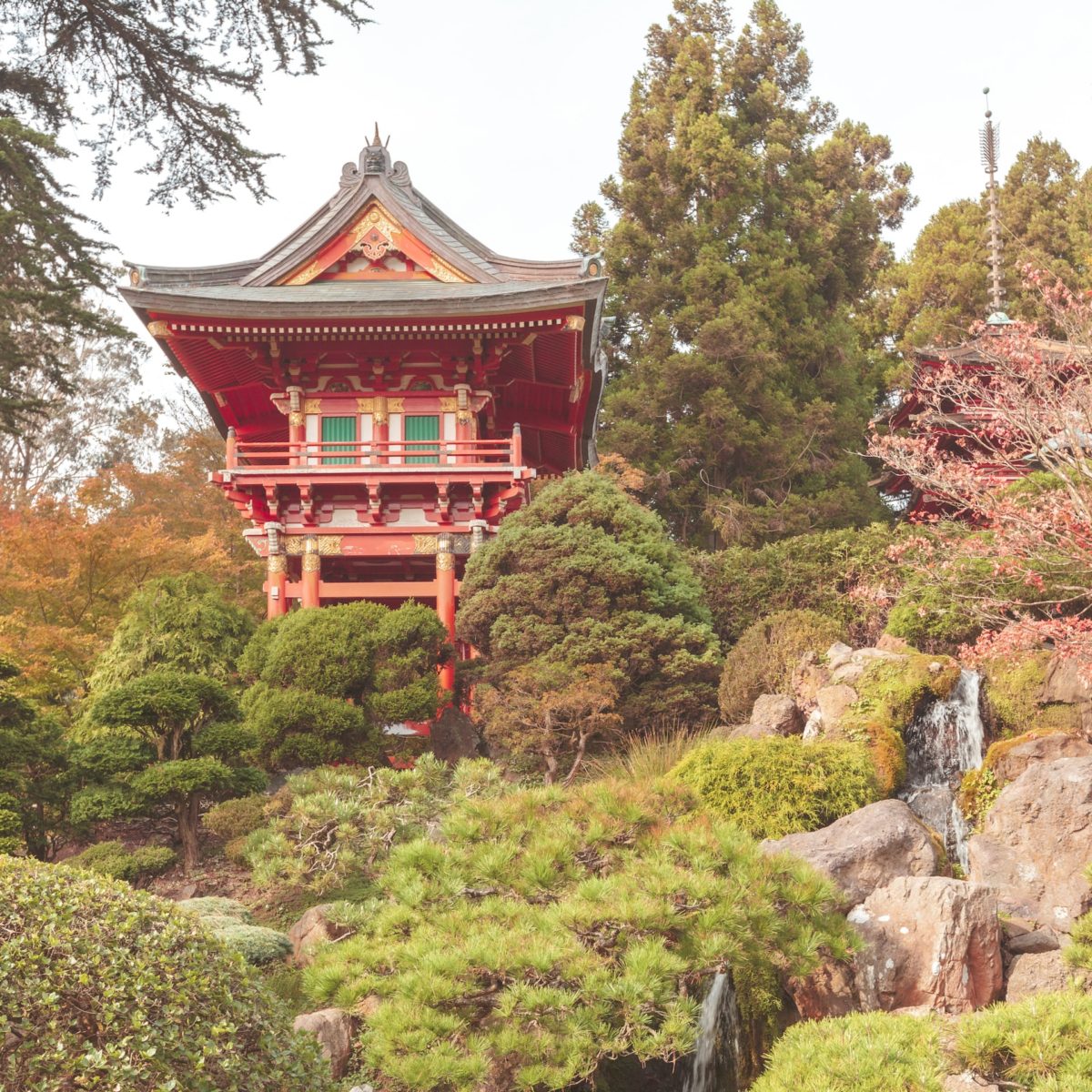
As a seasoned travel writer and nature enthusiast, I’ve explored gardens around the world.
And trust me, the Japanese Tea Garden in Golden Gate Park is worth the visit.
It’s no secret that San Francisco is jam packed with fun things to do and see, but you should definitely make room for this on your itinerary.
It’s the perfect chance to get out of the city and have a moment of peaceful reflection while immersing yourself in nature’s beauty. The gardens are full of historic architecture, koi-filled ponds, seasonal cherry blossoms, and traditional tea ceremonies right in the foothills of Golden Gate Bridge.
So after loving my time here so much, I want to give you all my insider tips on San Francisco’s Japenese Tea Garden, from the best photo spots, how to visit for free, and must-try treats at the Japanese tea house.
Disclosure: This blog post has affiliate links which means if you click and make a purchase I may earn a small commission at NO additional cost to you. These are my own personal suggestions based on products/experiences I love and use. Read the full disclosure here.
History of the Japanese Tea Garden in San Francisco
Whether you’re a history buff or not, San Francisco’s Japanese Tea Garden (a.k.a Hagiwara Tea Garden) has a fascinating story rooted in the early 20th century. It was initially created as part of the 1894 California Midwinter International Exposition, where a Japanese Village exhibit gained immense popularity.
After the exposition, landscape architect Makoto Hagiwara proposed the idea of a permanent Japanese garden on the site, and with the city’s support, he transformed it into a stunning oasis. He wanted everyone to enjoy the beauty.
The gardens expanded over time, featuring iconic elements like the Moon Bridge, pagodas, and the beloved Tea House.
The garden faced neglect during World War II due to the internment of Japanese Americans.
It was thankfully restored afterward, becoming a symbol of peace and reconciliation.
Today, visitors can explore the meticulously maintained landscapes, partake in traditional tea ceremonies, and bask in the serene beauty that continues to captivate all who visit the historic Japanese Tea Garden.
Japanese Tea Garden: Quick Facts
- Address: 75 Hagiwara Tea Garden Drive, San Francisco, CA 94118.
- Hours: The Japanese Gardens are open every day from 9 am-4:45 (Winter) and 9am-5:45 (Summer).
- Admission Fee: Adult tickets range from $12-$16 depending on the season. Tickets for the Japanese Tea Garden can be purchased here or at the gate.
- Pets allowed? No pets are allowed in the garden.
Getting to the Japanese Gardens From SFO
The garden is nestled within the bustling city, just 14 miles from the San Francisco International Airport.
I find the easiest way to get to the Japanese Gardens is via car.
There’s no official Japanese Tea Garden parking lot, but convenient parking is available at the Music Concourse Garage.
This is similar for most places in California, which is why if you’re flying into the state, I highly encourage you to rent a car for exploring the San Francisco Bay area.
Checking out the DiscoverCars search engine to find the best deals!
Golden Gate Park is also accessible from the city via public transportation. You can take either:
- The 44-O’Shaughnessy Bus
- The N-Judah streetcar.
Then, once you arrive at Golden Gate Park, there’s a free shuttle that runs 7 days a week throughout the park (including a stop at the Japanese Gardens!
When is the Best Time to Visit the Japanese Tea Garden?
As you are probably aware, San Francisco experiences great weather year round with temperatures rarely dipping below 50. With that being said, the Japanese Tea Garden in San Francisco is a delightful destination to visit throughout the year.
However, if you’re looking for the optimal time to experience the garden, consider going during spring (March, April, and May).
During this time, the cherry blossoms (Sakura) grace the garden with their delicate beauty. It’s truly a magical sight to see!
Enjoying so far? Sign up for more content like this below:
Things to Do at the Japanese Tea Garden in Golden Gate Park
Although close to downtown, this serene oasis is a hidden gem that offers a captivating blend of Japanese culture, picturesque landscapes, and a tranquil atmosphere.
You’ll surely forget you are so close to downtown!
Stroll the Garden Grounds
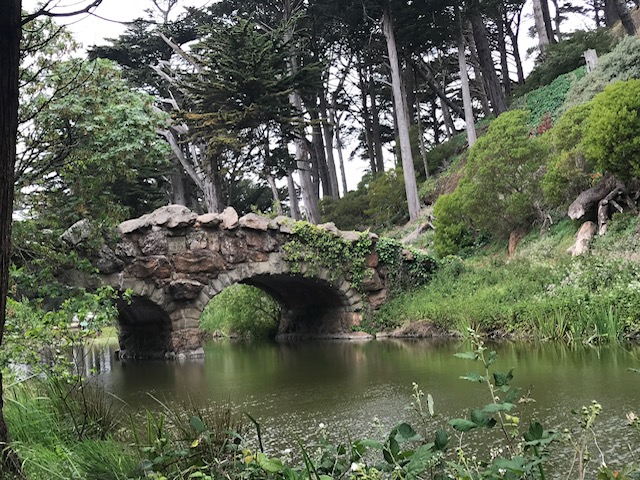
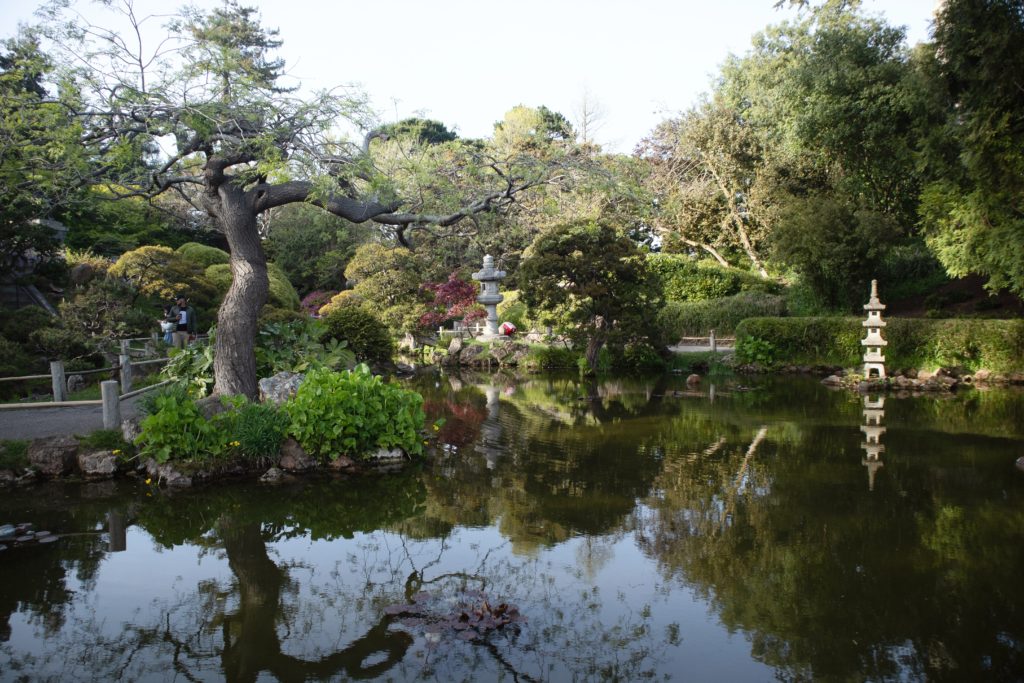
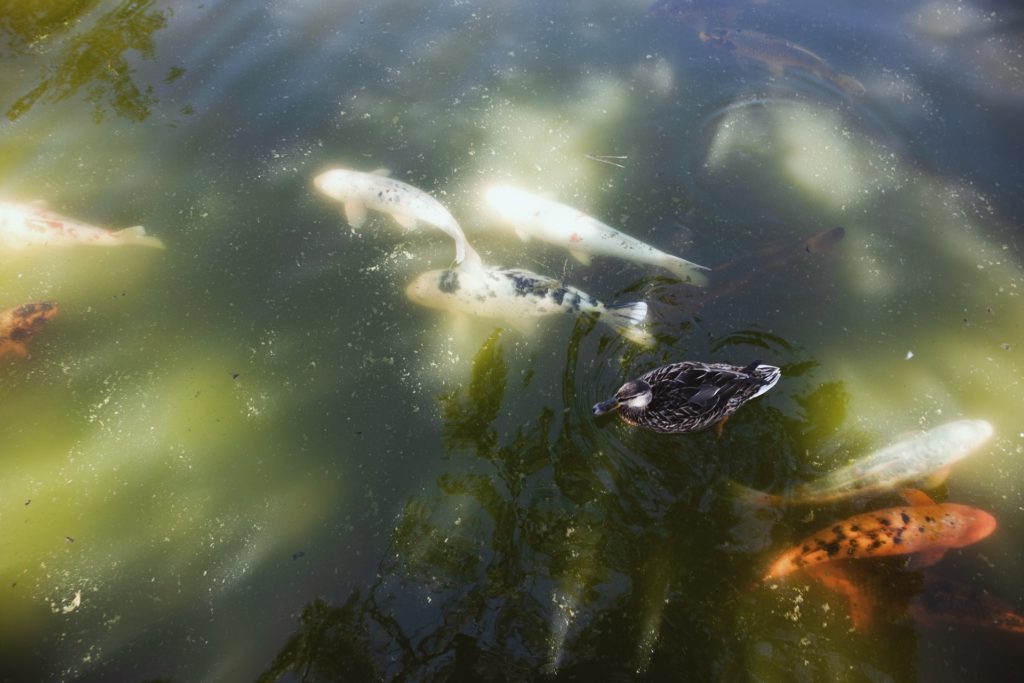
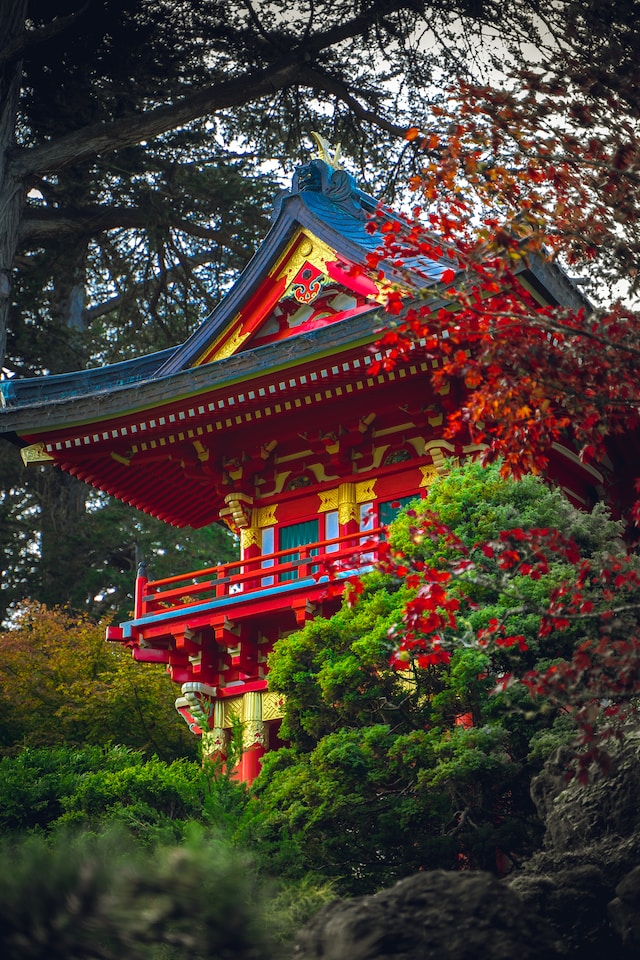
The Japanese Tea Garden has picturesque landscapes, including koi ponds, serene walking paths, pagodas, the iconic Moon Bridge, and beautiful blooming cherry blossom trees (Sakura) during the spring.
Everything is self-guided so you don’t need any sort of official Japanese Tea Garden Tour.
Spend a few hours admiring the beauty of the botanical gardens while stopping for all the photo ops.
Drink Tea at the Teahouse
The Japanese Tea House (not to be confused with the secret garden tea house) can be found in the center of the gardens overlooking a scenic pond.
It’s a great place to stop by to truly immerse yourself in the Japanese culture.
The menu currently features 5 different types of tea, matcha, and traditional Japanese snacks.
Be sure to try the famous Tea House Cookies!
Attend an Event
The gardens occasionally host special events, cultural performances, free entry days, and exhibits showcasing aspects of Japanese art and traditions. You can check out this site for event updates!
Visit the Gift Shop
Before you leave, be sure to stop by the gift shop, where you can find a variety of Japanese inspired items, including tea sets, traditional artwork, and unique souvenirs to commemorate your visit.
Do I Need to Purchase a Gardens at Golden Gate Park Pass?
No, you do not need a Gardens at Golden Gate Park Pass to visit the Japanese Tea Garden. BUT, if you hope to explore all 3 gardens inside the park, you will save money by buying the pass.
The pass gives you unlimited admission (for 3 days) to the Japanese Garden, the Conservatory of Flowers, and the San Francisco Botanical Garden. If you are a local and want to enjoy the gardens year round, there’s also an annual membership available.
More Things to Know Before Visiting
Accessibility: The gardens strive to provide accessibility for all visitors. Wheelchair access and designated accessible parking spaces are available, as well as accessible restrooms.
Photography: Photography is permitted within the gardens, so don’t forget your camera or smartphone to capture the scenic beauty and create lasting memories. Don’t worry, there’s plenty of instagrammable moments!
Official Guidelines: To preserve the tranquility and beauty of the gardens, make sure you follow guidelines such as staying on designated paths, refraining from touching or picking flowers, and respecting the serenity of the space. These gardens date back to the late 1800’s. We want everyone to be able to experience the beauty for years to come!
Before you go, don’t forget to join The Nitty Gritty Travel OT Community!
Final Thoughts
There you have it, everything you need to know about visiting the Japanese Tea Garden in San Francisco.
Whether you’re captivated by the blooming cherry blossoms in spring, intrigued by the art of tea ceremonies, or simply seeking a peaceful retreat, the Japanese Tea Garden has something to offer everyone.
I hope this blog post peaked your interest on visiting the Japanese Tea Garden in San Francisco California!
If you’re interested in other underrated cultural spots in San Francisco, check out this historic fortune cookie factory or in indulge in some authentic dim sum!
As always, thank you for reading.
If you learned something new, let me know in the comments below and don’t forget to subscribe here.
Find me here: I’m on most social media, so let’s be friends: Pinterest, Facebook, Instagram, and Twitter.
Found this blog post helpful? Any support is greatly appreciated! 🙂
Buy me a coffeeLike it? Pin it!
Photo Credit
Thank you to Yaopey Yong, Saira, and Rafael AS Martins for the Japanese Tea Garden photos. I discovered their work on Unsplash.com. Check them out!
Disclosure
This blog post has affiliate links which means if you click and make a purchase I may earn a small commission at NO additional cost to you. These are my own personal suggestions based on products/experiences I love and use. Read the full disclosure here.
This website is a participant in the Amazon Services LLC Associates Program, an affiliate advertising program designed to provide a means for sites to earn advertising fees by advertising and linking to amazon.com.